




No products in the cart.
Divan or Bed Frame? How the Base Changes How Your Mattress Feels
Affiliate disclosure: Sleeping Express may earn a commission when you buy through links on this page, at no extra cost to you. We have not tested every product mentioned; guidance is based on published specifications from each manufacturer.
The base under a mattress gets far less attention than the mattress itself, which is odd, because it changes how the mattress feels, how long it lasts and how much storage you get. In the UK the choice usually comes down to a divan or a bed frame, and they are genuinely different products rather than two styles of the same thing.
This guide covers how each one behaves, what they do to the feel of a mattress, and which suits which room.
What a divan actually is
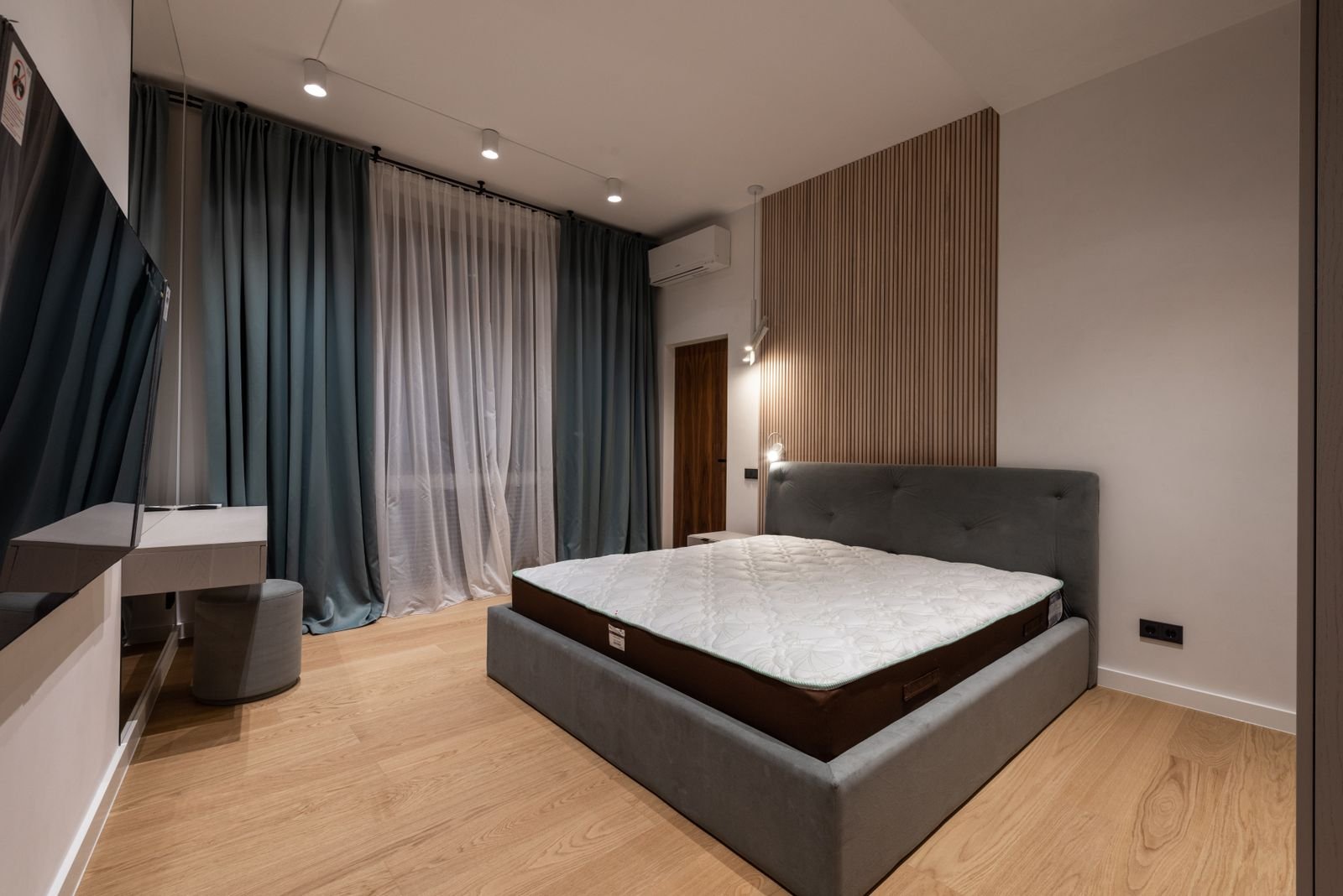
A divan is an upholstered box base that the mattress sits directly on. There is no visible frame and no slats in the conventional sense — the mattress rests on a solid or sprung platform covered in fabric. Headboards bolt on separately, and drawers are built into the base itself.
Divans come in two broad types. A platform top divan has a solid or firm covered surface, which makes any mattress feel firmer and more supportive. A sprung edge divan contains its own springs, which softens the overall feel and adds a little bounce, and generally costs more.
Because the base is fully upholstered and sits flush to the floor, divans also block airflow underneath more than an open frame does. That matters if you sleep hot or live somewhere prone to condensation.
What a bed frame does differently
A frame holds the mattress on slats, with open space beneath. Slats can be solid or sprung, and their spacing matters more than most people realise: widely spaced slats let a mattress dip between them over time, particularly an all-foam one. As a general rule, gaps of more than about 7cm are worth avoiding, and foam mattresses prefer closer spacing than sprung ones.
Frames come in wood, metal and upholstered fabric. Beyond looks, the practical differences are weight, noise and how well the joints hold up. Metal frames are the most likely to develop a squeak; solid wood is the least, but costs more and is heavier to move.
The open space underneath is the frame’s main functional advantage. It gives airflow, which helps with heat and moisture, and it gives usable storage without paying for built-in drawers.
How each affects the mattress
This is the part people miss. The same mattress on a platform-top divan and on a sprung frame will not feel the same. The divan makes it feel firmer and more solid; the sprung base adds give.
If you have bought a mattress you like and are replacing only the base, matching the base type matters. Moving a mattress from a sprung divan onto a platform top is a common reason people say a mattress “feels different” after a house move when nothing about the mattress has changed.
Warranties are worth checking too. Some manufacturers require a base that provides continuous or closely-spaced support, and using a widely-slatted frame can affect a claim. If the mattress is expensive, read that clause before choosing the base.
Comparing the two
| Divan | Bed frame | |
|---|---|---|
| Feel | Firmer on platform top; softer if sprung | Depends on slat type and spacing |
| Storage | Built-in drawers, no floor access needed | Open space; boxes on castors work well |
| Airflow | Restricted underneath | Good — helps with heat and damp |
| Small rooms | Good — no protruding legs or footboard | Footboards and posts eat floor space |
| Moving house | Bulky; often two halves | Usually dismantles flat |
| Cleaning under | Difficult | Straightforward |
Where ottoman beds fit
An ottoman lifts the whole sleeping surface on a gas strut to reveal storage across the entire base area. It holds far more than divan drawers and does not need clearance at the sides, which makes it useful in narrow rooms where a drawer could not open fully.
The trade-offs are weight, cost, and the need for enough headroom above the bed to lift it. They are also harder to move. Ottoman bed options are worth considering if storage is the main driver rather than looks.
Choosing by room
Small bedrooms
Divans generally win. No footboard, no protruding legs, and drawers that use space you could not otherwise reach. Check which side the drawers open before ordering — against a wall they are useless.
Rooms prone to damp or condensation
A frame is the safer choice. Airflow under the mattress genuinely helps, particularly in ground-floor rooms, converted garages and anywhere with solid floors.
Rented properties
Frames dismantle and move more easily, and they suit tenants who change address regularly. A divan that has to be carried up a narrow staircase in two halves is a different proposition.
Guest rooms
Either works, but a divan with drawers earns its keep in a room used occasionally, because the storage is available all year while the bed is not.
Practical checks before buying
- Match the base type to what your mattress was designed for, especially if it is under warranty.
- On frames, check slat spacing — closer is better, particularly for foam mattresses.
- Measure drawer clearance on divans; drawers need floor space to open.
- Check ceiling height and headboard clearance for ottoman lift.
- Consider access. Divans are bulky and rarely flat-pack.
- If you sleep hot, favour the option with airflow underneath.
Frequently asked questions
Does a divan make a mattress feel firmer?
A platform-top divan does, because the mattress is supported on a continuous solid surface. A sprung-edge divan has the opposite effect and adds a little give.
Can I put any mattress on a slatted frame?
Most, but slat spacing matters. Foam mattresses in particular need closely spaced slats or they can sag between them over time. Check the mattress manufacturer’s guidance.
Are divan drawers actually useful?
Yes for bedding and clothing, provided there is floor space for them to open. In a narrow room where the bed sits close to a wall or wardrobe, an ottoman is usually more practical.
Do I need a base at all?
A mattress on the floor lacks airflow underneath and tends to collect condensation, which is why it is generally discouraged for anything beyond short-term use. Our guide to foundation compatibility covers this in more detail.
The short version
Divans suit small rooms and anyone who needs built-in storage, and they make a mattress feel firmer. Frames suit damp-prone rooms, hot sleepers, renters and anyone who wants to clean underneath. Whichever you choose, match it to what the mattress expects — that single decision affects the feel more than the price difference between the two.