




No products in the cart.
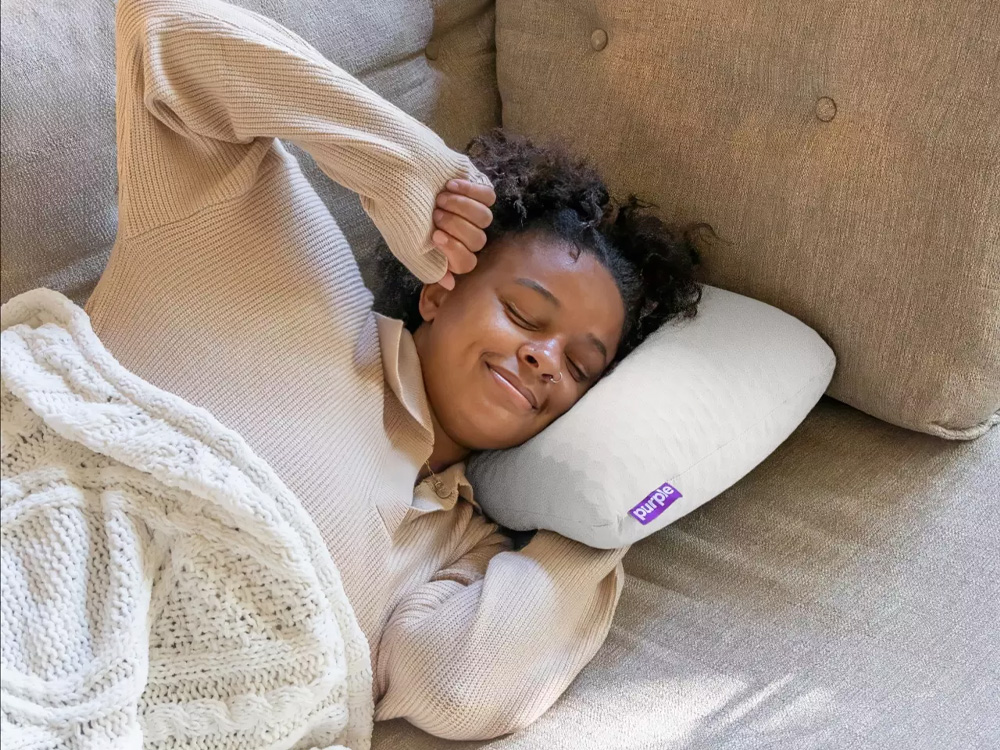

The right pillow is not the softest one in the shop. Its job is to keep the neck close to neutral while the mattress supports the rest of the spine. Loft—the compressed height under your head—usually matters more than the filling printed on the label.
A pillow can feel perfect when you stand beside it and still be wrong after an hour. Your shoulder width, sleeping position, mattress firmness and head weight all change how much height you need.
1. Match loft to sleeping position
Side sleepers need enough height to fill the gap between the outside of the shoulder and the head. Broad shoulders and a firm mattress usually require more loft. A softer mattress lets the shoulder sink, reducing the required height.
Back sleepers normally need a medium or lower loft. If the pillow pushes the chin toward the chest, it is too high. A small contour supporting the neck can help, but the head should not be forced forward.
Stomach sleepers need the least height. A thick pillow rotates the neck for hours. Many front sleepers do better with a very thin, soft pillow and another pillow under the pelvis.
2. Judge the pillow after compression
Marketing dimensions show the uncompressed pillow. What matters is the height after your head settles. Adjustable shredded-foam or fibre pillows are useful because filling can be removed. Solid foam is more consistent but less adaptable.
3. Choose filling for the behaviour you want
- Memory foam: stable support and pressure distribution, but slower response and sometimes more warmth.
- Latex: buoyant and quick to recover; usually heavier and more expensive.
- Down or feather: mouldable and light, but needs regular fluffing.
- Polyester fibre: inexpensive and washable, though it can flatten sooner.
4. Check the pillow against your mattress
A pillow cannot be chosen independently from the bed. When a mattress is replaced, the old pillow may suddenly feel too high or low because the shoulder sinks by a different amount.
5. Use a simple morning test
Give a pillow several nights. Watch for neck stiffness, headaches near the base of the skull, numb arms or a constant urge to fold it. Have someone photograph your head and spine from behind while you lie on your side; the neck should continue the line of the upper back.
Approved pillow and bedding partner: US readers can compare SweetNight pillows and sleep products. Check dimensions, adjustability and return terms.
Finally, remember the second pillow. Between the knees for side sleepers or beneath the knees for back sleepers, it can reduce rotation and make the whole sleep position feel more settled.