





No products in the cart.
US Mattress Sizes Explained: Twin, Twin XL, Full, Queen, King and Cal King
Affiliate disclosure: Sleeping Express may earn a commission when you buy through links on this page, at no extra cost to you. We have not slept on every product mentioned; guidance is based on published specifications and materials from each manufacturer. Prices were correct at the time of writing and change often, so check the current price before you buy.
Mattress sizing in the United States looks simple until you actually stand in a bedroom with a tape measure. Six names cover almost every bed sold here — Twin, Twin XL, Full, Queen, King and California King — and a seventh, Split King, quietly solves a problem the other six cannot. The names are consistent enough that a Queen sheet bought in Oregon will fit a Queen mattress bought in Georgia, but the differences between adjacent sizes are smaller than most people expect, and choosing wrong is an expensive mistake to unwind.
This guide sets out the standard US dimensions in inches, explains which size suits which sleeper and room, and shows where the real trade-offs sit. Every measurement below is the industry-standard nominal size; individual manufacturers vary by an inch or so, which is why we have also included the exact published dimensions from two US brands so you can see how close reality tracks the standard.
US mattress sizes at a glance
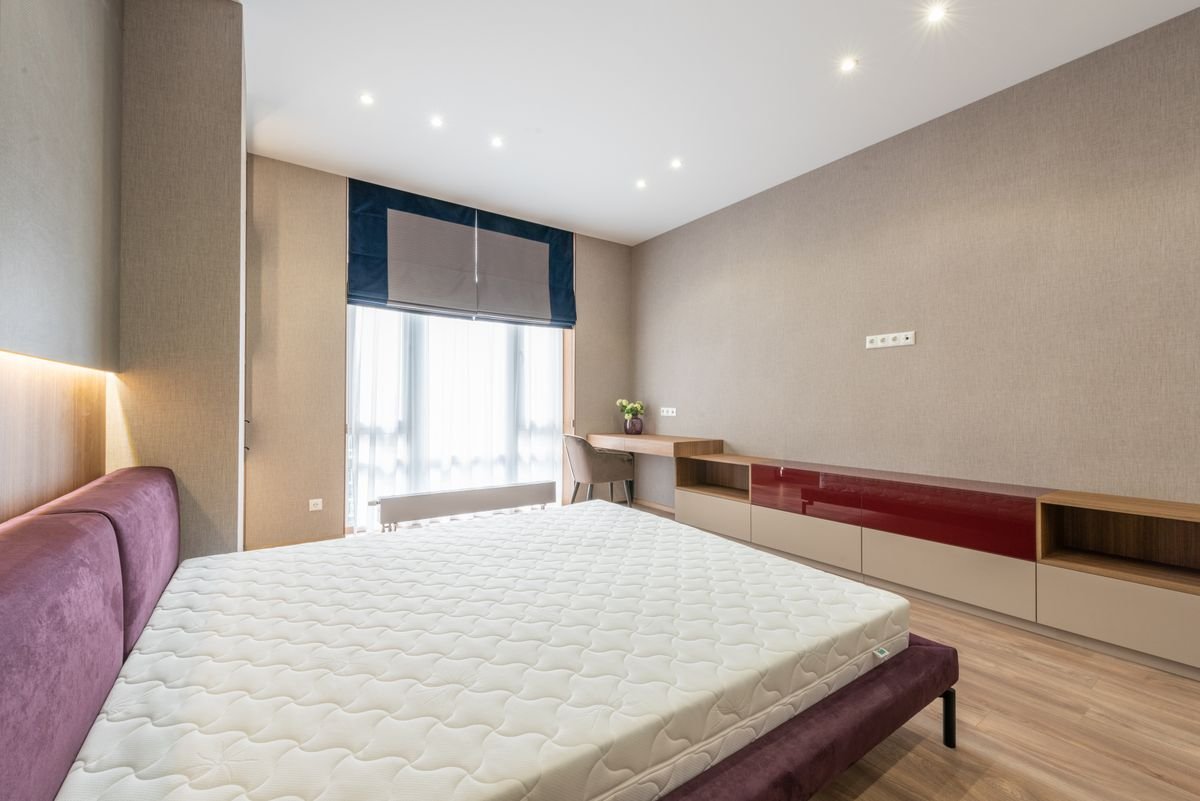
Width is what changes most between sizes. Length is fixed at 75 inches for Twin and Full, and 80 inches for Twin XL, Queen, King and California King. That 75-versus-80 distinction matters more than the marketing suggests: 75 inches is 6 feet 3 inches, which is uncomfortably short for anyone approaching six feet tall once you account for a pillow.
| Size | Width | Length | Best suited to |
|---|---|---|---|
| Twin | 38–39 in | 75 in | Children, single sleepers in small rooms, bunk and trundle beds |
| Twin XL | 38–39 in | 80 in | Taller teenagers, college dorms, one half of a Split King |
| Full (Double) | 53–54 in | 75 in | A single adult who wants room to spread out; couples only at a squeeze |
| Queen | 60 in | 80 in | The default US couple size and the most widely stocked |
| King | 76 in | 80 in | Couples who want maximum width, or who share with children or pets |
| California King | 72 in | 84 in | Tall sleepers who will trade 4 inches of width for 4 inches of length |
| Split King | 2 × 38–39 in | 80 in | Couples on adjustable bases, or partners wanting different firmnesses |
The Full versus Queen decision
This is where most buyers hesitate, and the numbers explain why. A Full gives each partner roughly 27 inches of width. A Queen gives each partner 30 inches. Neither is generous — a standard crib is 28 inches wide — but the 3-inch difference per person is the single most noticeable upgrade in the whole size ladder. A Queen is also 5 inches longer.
The counter-argument is room fit. A Queen needs about 10 feet by 10 feet to leave walking space on three sides. In a 9-by-9 bedroom a Full will feel like a bedroom and a Queen will feel like a mattress warehouse. Measure the floor before you fall in love with a size.
King versus California King
The names mislead people constantly. A California King is not bigger than a King. It is 4 inches narrower and 4 inches longer. A standard King is 76 by 80 inches; a California King is 72 by 84 inches. If your priority is legroom, go California. If your priority is not being kicked, go standard King.
Two practical warnings. First, California King bedding is harder to find and usually costs more, because retailers stock less of it. Second, a King mattress is 76 inches wide, which is wider than most doorways and stairwells — one reason bed-in-a-box compression has become the default delivery method in the US.
How closely do real mattresses match the standard?
Reasonably closely, but it is worth checking. 5 Little Monkeys publishes exact dimensions for its kids’ sleep system: Twin at 39 by 75 by 8 inches, Full at 54 by 75 by 8 inches and Queen at 60 by 80 by 8 inches. Those are the standard widths and lengths, with a deliberately low 8-inch profile chosen so the mattress works in bunk beds, daybeds and trundles where a thick mattress would push a sleeper above the guard rail.
At the other end of the range, Organix Bed offers the full seven-size ladder including Split King on its Aria, Harmoni, Tranquiliti and Sereniti models — which is unusual, since many brands drop Split King or Cal King from their cheaper lines.
See 5 Little Monkeys sizes and specs
What is a Split King, and who actually needs one?
A Split King is two Twin XL mattresses side by side. Together they measure 76 by 80 inches — identical to a standard King. The split exists for two reasons.
The first is adjustable bases. A one-piece King cannot bend independently, so if one partner wants the head raised to read and the other wants to lie flat, a single mattress cannot do it. Two Twin XLs on a split adjustable base can.
The second is firmness. Partners frequently disagree about firmness, and a Split King lets each side be specified separately. The cost is a visible seam down the centre of the bed, which some couples find intrusive; a specialised King-size fitted sheet or a mattress-wide topper can soften it.
Measuring your room before you buy
A simple rule works well: leave at least 24 inches of clear floor on any side of the bed you need to walk down, and 36 inches if a closet or dresser drawer opens into that space. Then check three things people routinely forget.
- The delivery path. Measure the narrowest doorway, the tightest stair turn and any low ceiling on the route. A compressed bed-in-a-box sidesteps almost all of this; a traditional innerspring does not.
- Ceiling height versus total bed height. Mattress thickness plus foundation plus frame is the number that matters. An 8-inch mattress on a 14-inch foundation sits very differently from a 14-inch mattress on the same base.
- Existing bedding. Moving from Full to Queen means replacing every fitted sheet, mattress protector and comforter you own. Budget for it.
Which size should you choose?
If you sleep alone and the room is small, a Twin or Full is not a compromise — it is the right answer, and the money saved is better spent on mattress quality than on square footage you will not use. If you are over about 5 feet 10 inches, treat 80-inch length as a requirement rather than a preference, which rules out Twin and Full immediately.
If you share a bed every night, a Queen is the sensible default and a King is the upgrade worth making if the room and the budget allow. And if you share a bed but disagree about firmness or about sitting up in bed, a Split King solves a problem no other size can.
Whatever you land on, confirm the exact published dimensions on the product page before ordering — including thickness, which determines whether your existing fitted sheets will still reach.
Compare Organix Bed sizes side by side
Frequently asked questions
Is a California King bigger than a King?
No, and this is the most persistent misunderstanding in US mattress sizing. A standard King is 76 inches wide by 80 inches long. A California King is 72 inches wide by 84 inches long. The California King is four inches narrower and four inches longer, so total surface area is very slightly smaller. Choose California King only if length is your priority — for example if you are over about 6 feet 2 inches — and accept that bedding will be harder to source and generally more expensive because retailers stock less of it.
Is a Full the same thing as a Double?
Yes. “Full” and “Double” describe the same 53 to 54 inch by 75 inch mattress, and US retailers use the terms interchangeably. The name changed over time rather than the dimensions. If a listing offers both as separate options, check the stated measurements, because that would be unusual.
Will Queen sheets fit a King mattress?
No. A Queen is 60 inches wide and a King is 76 inches, so a Queen fitted sheet is 16 inches short across the width and will not reach the corners. Flat sheets, comforters and duvet covers are more forgiving because they are designed to overhang, but fitted sheets and mattress protectors are strictly size-specific. Budget for a complete bedding replacement whenever you change mattress size.
What size mattress fits a 10 by 10 foot bedroom?
A Queen works in a 10 by 10 room but it will be the dominant object. A Queen is 5 feet wide by 6 feet 8 inches long, which leaves roughly 2 feet 6 inches of clearance on each side if centred against a wall — enough to walk down but tight if a closet or dresser drawer opens into that space. In a room any smaller than 10 by 10, a Full will keep the room usable. Always measure before choosing, and remember to account for the bed frame, which adds a few inches beyond the mattress on every side.
Does mattress thickness affect what size sheets I need?
Yes, and it catches people out. Fitted sheets are sold with a stated pocket depth, commonly 14 to 16 inches. A 14-inch mattress with a mattress protector and a topper can easily exceed that, at which point the sheet will keep pulling off the corners. Check the mattress height on the product page and match it to the pocket depth, not just the width and length.
Related reading on Sleeping Express: does your mattress need a box spring? and our guide to bed frames and storage beds.