




No products in the cart.
Wool Bedding for US Homes: Why It Works in Summer as Well as Winter
Affiliate disclosure: Sleeping Express may earn a commission when you buy through links on this page, at no extra cost to you. We have not slept on every product mentioned; guidance is based on published specifications and materials from each manufacturer. Prices were correct at the time of writing and change often, so check the current price before you buy.
Wool has an image problem in American bedrooms. It reads as heavy, scratchy and winter-only — a blanket you put on the bed in January and pack away in March. That reputation comes from coarse outerwear wool, and it has almost nothing to do with the fine Merino used in bedding, which behaves in a way that no synthetic fill reproduces.
The short version: wool is the only common bedding fibre that manages moisture and temperature at the same time, which is why the same comforter can be comfortable in a Phoenix summer and a Minnesota winter. This guide explains the mechanism, where wool is worth the money, and where cotton or down is the better buy.
What wool actually does that other fibres do not
Three properties matter, and they compound.
It moves moisture as vapour. A wool fibre can absorb a substantial proportion of its own weight in moisture vapour before it feels damp to the touch, and it releases that moisture into the air as conditions change. This matters more than most people realise, because a large part of what feels like “sleeping hot” is actually trapped humidity. Polyester fill does the opposite — it repels moisture, which sounds good until the moisture has nowhere to go but against your skin.
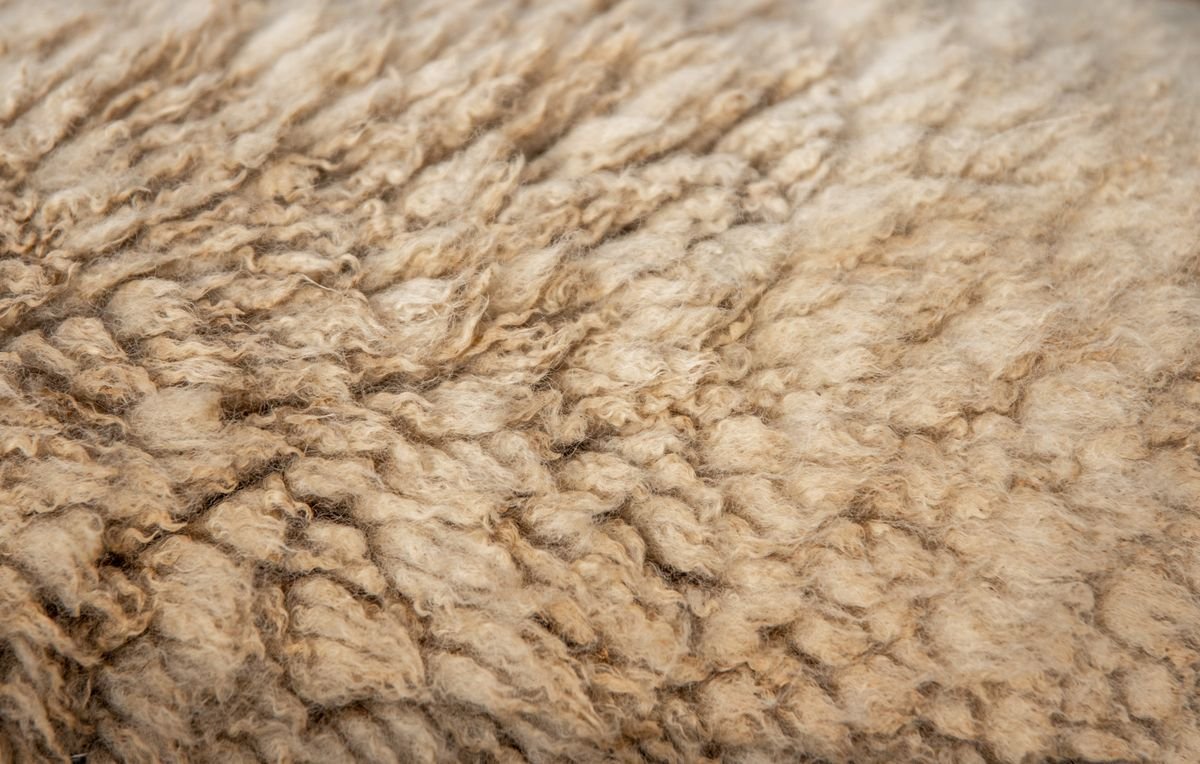
It insulates by structure, not by density. Wool fibres are naturally crimped, which traps air. Trapped air is the insulator, so wool provides warmth without the weight of an equivalently warm synthetic.
It buffers temperature in both directions. Because absorbing and releasing moisture involves absorbing and releasing energy, wool smooths out temperature swings rather than simply adding warmth. This is why wool bedding is marketed as four-season rather than winter-only, and it is a real effect rather than a marketing convenience.
Where wool belongs in a bed — and where it does not
| Layer | Is wool worth it? | Why |
|---|---|---|
| Comforter / duvet insert | Yes — the highest-value wool purchase | This is the layer where moisture and temperature regulation matter most, and where synthetic fill performs worst |
| Mattress topper / pad | Yes, for temperature regulation | Adds a breathable buffer between you and a foam mattress, which is where heat accumulates |
| Pillow | Often yes | Your head is the warmest point of contact. Wool-filled pillows tend to be adjustable and breathe well |
| Sheets | No — use cotton or linen | Sheets need to be smooth against skin and washed frequently. Cotton percale and linen do this better |
| Mattress protector | No — use cotton with a waterproof backing | The job here is a barrier, not thermal regulation |
Merino, and what “mulesing-free” means
Not all wool is the same fibre. Merino is finer than standard wool, and fibre diameter is what determines whether wool feels soft or prickly against skin. Coarse wool is what people remember from a scratchy sweater. Fine Merino used in bedding is generally not what causes that sensation — though genuine wool allergy exists and is different from mechanical irritation.
You will also see “mulesing-free” on US wool bedding. Mulesing is a controversial sheep husbandry practice, and brands that avoid it usually say so explicitly. Sleep & Beyond states that its Merino and Shropshire sheep are raised in a mulesing-free environment, and publishes a GOTS certification alongside it. If animal welfare is part of why you are buying natural fibre, this is the claim to look for — and it should be stated plainly on the site, not implied by imagery.
A US wool and natural-fibre bedding price map
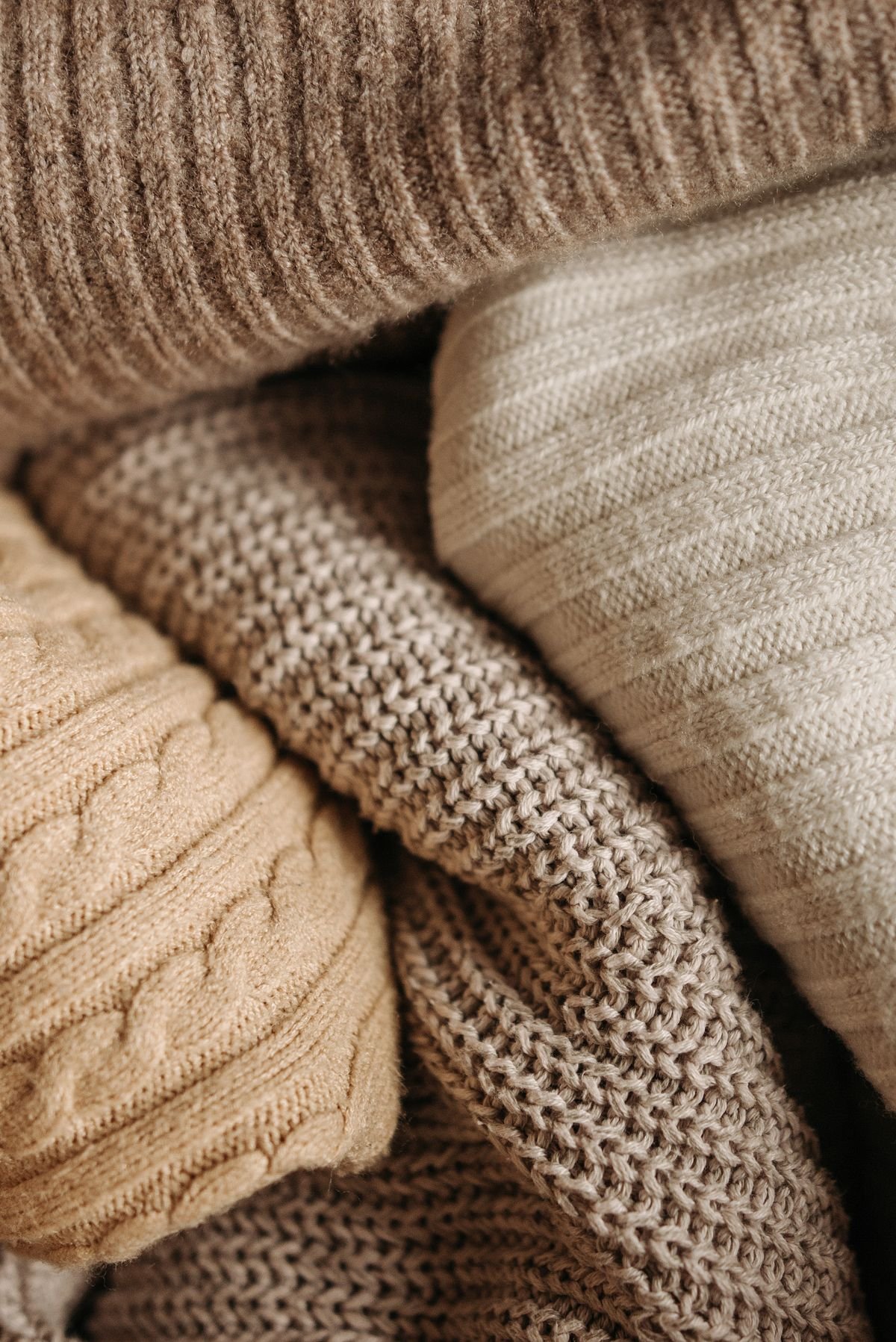
Wool bedding costs more than synthetic and roughly tracks good cotton. To give a concrete sense of the range, these are Sleep & Beyond’s published price bands at the time of writing — the brand has been manufacturing since 1992 and is a third-generation family-owned business, which is worth noting in a category with a lot of recent arrivals.
| Product | Published price range | Notes |
|---|---|---|
| myMerino® Comforter | $159 – $439 | Described by the brand as four-season |
| Organic Cotton Percale Sheet Set | $169 – $249 | 300 thread count, cool and crisp rather than silky |
| Organic Cotton Muslin Blanket | $219 – $279 | Softens with washing |
| Organic Cotton Waterproof Protector | $99 – $209 | Five-sided design |
| Zippered Waterproof Encasement | $109 – $299 | Fully enclosing, the format that matters for dust mites |
| Waterproof Pillow Encasement Pair | $75 – $85 | Sold as a pair |
Ranges reflect size. Free shipping applies over $450 at the time of writing, and the company states a 5 to 10 year warranty against material and craftsmanship defects. Prices change — check the current figure before ordering.
Living with wool bedding
The care requirements are the main practical objection, and they are real.
- Do not machine wash a wool comforter unless the manufacturer explicitly says you can. Agitation and heat felt the fibres, which permanently shrinks and hardens them.
- Use a duvet cover. This is the whole strategy — the cover takes the wear and goes in the wash, the wool insert rarely needs cleaning at all.
- Air it instead of washing it. Wool is naturally odour-resistant. A few hours in dry air does more than most people expect.
- Spot clean with cool water and let it dry flat.
- Store it breathing. Cotton storage bags, not sealed plastic, which traps moisture against the fibre.
Is it worth it?
For a hot sleeper, a night sweat sufferer, or anyone in a climate with a wide seasonal swing, a wool comforter is one of the highest-value upgrades available in bedding — it addresses a problem synthetics genuinely cannot solve, and it lasts long enough to amortise the price over many years.
For someone who sleeps cold in a stable climate and does not mind synthetic fill, wool is a nice-to-have rather than a fix. And for anyone unwilling to use a duvet cover and air the insert occasionally, a machine-washable cotton or synthetic comforter is the more honest choice — a wool comforter that gets washed like a bath towel will not survive its first year.
See wool mattress pads and toppers
Frequently asked questions
Is wool too hot to use in summer?
No, and this is the most common misconception about wool bedding. Wool regulates temperature in both directions because it absorbs and releases moisture vapour, and much of what feels like overheating at night is trapped humidity rather than trapped heat. A lightweight wool comforter typically feels more comfortable in warm weather than a synthetic one of equivalent warmth, because the synthetic repels moisture and leaves it against your skin. This is why wool bedding is marketed as four-season rather than winter-only.
Can I put a wool comforter in the washing machine?
Generally no, unless the manufacturer explicitly says the product is machine washable. Agitation combined with heat causes wool fibres to felt, which permanently shrinks and hardens them and cannot be reversed. The standard approach is to use a duvet cover that takes all the wear and goes in the wash, air the wool insert periodically in dry air, and spot clean with cool water when needed. Handled this way a wool comforter rarely needs full cleaning at all.
Is wool hypoallergenic?
Wool naturally resists dust mites because it manages moisture, and dust mites depend on humidity — so wool bedding tends to be a poorer environment for them than damp synthetic fill. That is not the same as being allergy-free. Genuine wool allergy exists and is distinct from the mechanical prickle that coarse wool causes. If dust mite allergy is your specific concern, a zippered encasement on the mattress and pillows does considerably more than any fibre choice.
Does wool bedding smell?
Clean wool bedding should not. Wool is naturally odour-resistant, which is part of why airing works so well as a maintenance routine. A faint natural lanolin scent is normal in some minimally processed wool and fades. A persistent unpleasant smell usually indicates moisture has been trapped — often from storing the item in sealed plastic rather than a breathable cotton bag.
How long does good wool bedding last?
Considerably longer than synthetic fill, which flattens and clumps over a few years. With a duvet cover protecting it and periodic airing rather than washing, a quality wool comforter can last many years, and manufacturers in this category commonly offer warranties in the 5 to 10 year range against material and craftsmanship defects. That longevity is what makes the higher upfront price defensible on a cost-per-year basis.
Related reading on Sleeping Express: duvet versus comforter and bamboo, cotton and linen sheets compared.